|
|
|
|
 |
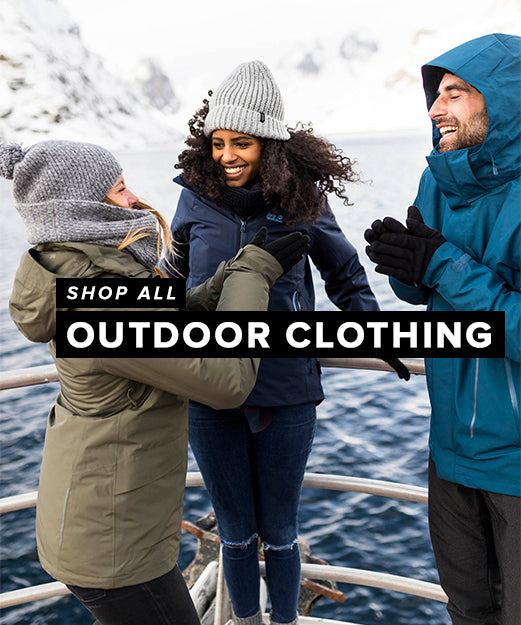
Ski jackets are the outer most layer of your
ski wear that offers the skier protection from the elements. A good
jacket will offer good abrasion resistance against snow, ice and
wind. Breathability is also important to allow moisture from your
body to escape.
For more information click
here.... |
|
|
 |
Keeping warm is all about layers - trapping multiple thin layers of air between the clothing layers to increase the warmth without increasing the bulk.
For more information click here.... |
|
|
 |
For new skiers salopettes are the best option to stop snow going up your back when you fall - more experienced skiers who fall less often will choose pants to reduce bulk and allow more freedom.
For more information click here.... |
|
|
 |
Protecting your eyes is obviously a primary consideration. However choosing eye wear with the correct lenses will allow better protection and improved vision in a variety of lights.
For more information click
here.... |
|
|
 |
Good ski socks protect your feet and offer good support whilst skiing all day. Your socks should vary with your ability and here is some advice on how to choose the best for you.
For more information click here.... |
|
|
 |
Any skier will tell you that skiing is no fun with cold hands. Some simple advice on choosing the type and size of gloves you wear will make sure you get the best gloves for your ski holiday.
For more information click here.... |
|
|
 |
These days, more and more people (both adult and children) are
choosing to ski and board with a helmet for protection. With the
latest models of helmets you can get the protection you need while
staying warm too.
For more information click
here... |
|
|
 |
Read about the technology in modern ski wear which helps to maximise your comfort.
For more information click
here... |